From the turkey to the pie, every dish on your table asks something different of your digestion, not to mention we all have our unique gut microbiomes. Here’s which enzymes do the heavy lifting, and how to help them out.
Thanksgiving is the one meal of the year when protein, fat, starch, fiber, dairy and sugar all land on the same plate, often in generous portions (and seconds!). No wonder so many of us end the day unbuttoning our jeans and feeling some discomfort. The secret to feeling comfortable isn’t skipping the stuffing. It’s understanding the tiny helpers that break your food down: digestive enzymes. Think of this as your dish-by-dish matching guide for a feast that feels as good as it tastes.
What Are Digestive Enzymes?
Digestive enzymes are proteins your body makes to break food into nutrients small enough to absorb. Each one has a specialty: some target protein, others fat, starch, sugar or fiber. As a review in Current Drug Metabolism explains, enzymes that break down proteins, carbohydrates and fats can play a supportive role in digestion, from lactose intolerance to other digestive concerns. When a meal is especially big, rich or varied, like Thanksgiving dinner, your natural enzyme supply can feel stretched thin, which may show up as bloating, gas or that heavy, overstuffed feeling.
The Turkey: Protease
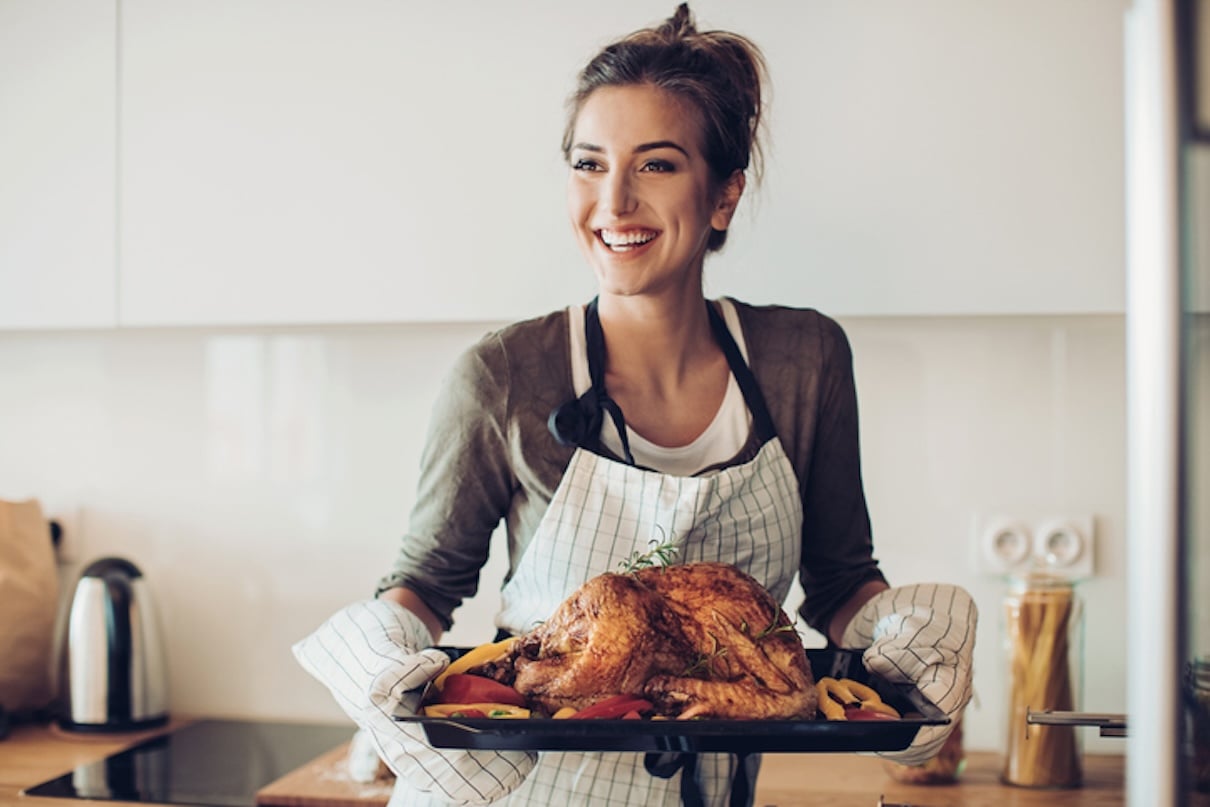
Turkey is the protein centerpiece, and protein is broken down by proteases into amino acids your body can use. Pineapple and papaya contain their own natural protein-digesting enzymes, bromelain and papain, so a pineapple salsa or papaya side is a delicious assist.
The Gravy and Butter: Lipase
Rich, fatty dishes digest more slowly, which is why a gravy-heavy plate can feel so heavy. Lipase breaks fats down into fatty acids. Keep portions of the richest dishes modest and enjoy them alongside lighter sides.
The Stuffing, Rolls and Potatoes: Amylase
Starches start breaking down in your mouth, thanks to amylase in your saliva. That makes slow, thorough chewing one of the simplest digestion boosters there is.
The Green Beans and Brussels Sprouts: Alpha-Galactosidase
Cruciferous vegetables and legumes contain complex sugars that our bodies can’t fully digest on their own, so gut bacteria ferment them instead, producing gas. Alpha-galactosidase breaks down those sugars first. In a randomized, placebo-controlled study, taking alpha-galactosidase with a bean-heavy meal reduced both gas production and the severity of flatulence.
The Creamy Sides: Lactase
If dairy tends to leave you bloated, lactase is the enzyme that breaks down lactose, the natural sugar in milk. Lactase supplementation is one of the best-established uses of digestive enzymes.
The Pie: Invertase
Invertase splits sucrose, or table sugar, into simpler sugars. It’s a helpful partner for the dessert table, along with a reasonable slice size.
Food-First Enzyme Helpers

You can bring some enzyme power to the table naturally.
- Pineapple and papaya contain bromelain and papain, which help break down protein.
- Kiwi contains actinidin, another protein-digesting enzyme, and makes a bright addition to a holiday fruit salad.
- Fermented foods like sauerkraut, kimchi and yogurt support a healthy gut alongside your meal.
Where Flatter Me Fits In
Instead of matching one enzyme to each dish, Flatter Me covers the whole plate. Its blend of 18 full-spectrum digestive enzymes includes proteases, bromelain and papain for the turkey, lipase for the gravy, amylase for the stuffing, alpha-galactosidase and cellulase for the veggies, lactase for the creamy sides and invertase for the pie. A triple herb blend of ginger, peppermint and fennel helps soothe digestion, and it’s clinically studied to reduce bloating after just one use. Take one capsule before your Thanksgiving meal.
More Tips for Comfortable Digestion
- Chew slowly. Digestion starts in your mouth, and slowing down gives fullness signals time to catch up.
- Don’t arrive starving. A light, protein-rich snack before dinner helps prevent overeating.
- Sip, don’t chug. Small sips of water with your meal are better than gulping large amounts.
- Take a walk. A gentle stroll after dinner can help ease that heavy, overfull feeling.
FAQs
When should I take a digestive enzyme?
Digestive enzymes work best when they’re in your system alongside your food, so take them right before or at the start of your meal.
Are digestive enzymes the same as probiotics?
No. Enzymes break down the food you eat, while probiotics are beneficial bacteria that support your gut microbiome. They work in different ways and can be taken together.
Can enzymes prevent all bloating?
Enzymes can help, but they work best alongside smart habits like eating slowly, keeping portions reasonable and taking a walk after the meal. If you have frequent or severe digestive symptoms, talk to your healthcare provider.
The Takeaway
Every Thanksgiving dish has a digestive match: protease for the turkey, lipase for the gravy, amylase for the stuffing, alpha-galactosidase for the veggies, lactase for the creamy sides and invertase for the pie. Chew slowly, add a few enzyme-rich foods and give your body some backup, and you can enjoy every course without the post-feast bloat.
Debloat your feast: Shop Flatter Me.