Managing MEK Inhibitor Side Effects for Neurofibromatosis (NF1)

1

Skin and Nail Care Strategies

“We can manage the skin with proactive intervention and early treatment. If we address this at the onset, we can reduce the severity of the skin rash before it becomes an issue,” says Kavita Sarin, MD, PhD, a professor of dermatology and the director of the Stanford Skin Cancer Genetics Program at the Stanford Cancer Institute in California.

If you take care of your skin early it can help you stay on your treatment without needing breaks.

[4]

These steps can protect your skin and nails, but check with your care team before you use any treatment, even one you can buy without a prescription.

Start a gentle routine. Dr. Sarin recommends using gentle cleansers and moisturizers as soon as you begin treatment. Take short, lukewarm showers, use soap only where you need it (face, underarms, groin), pat your skin dry, and apply a fragrance-free moisturizer right afterward and once or twice more during the day. On your face and upper body, choose products labeled noncomedogenic, meaning they won’t clog pores.

[4]

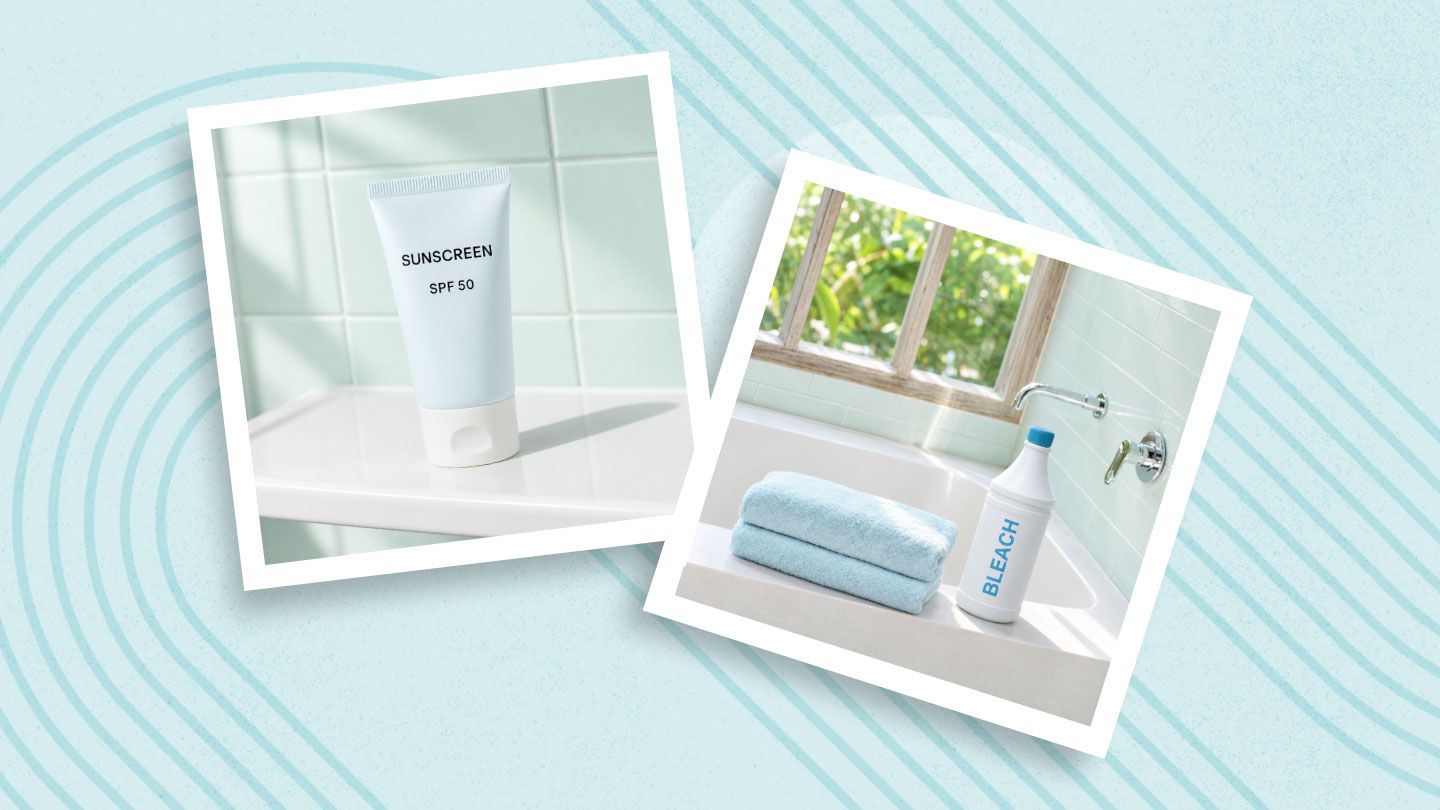
Protect your skin from the sun. MEK inhibitors can make your skin more sensitive to the sun. Wear a wide-brimmed hat and sun-protective clothing, and avoid direct sun between 10 a.m. and 4 p.m. Use a broad-spectrum SPF 50 sunscreen on all exposed skin and reapply it every two hours.

[4]

Take dilute bleach baths. Sarin recommends dilute bleach baths; for some patients, they may lower the risk of skin infections and ease inflammation and itching.

For a bleach bath, add one-fourth to one-half cup of regular-strength bleach to a full bathtub of water (about 1 teaspoon per gallon) and soak for 5 to 10 minutes, three or four times a week. Don’t use splashless or scented bleach, and don’t let undiluted bleach touch your skin or eyes, because it can cause burns and permanent eye damage.

[5]

Treat itching and mild rashes early. For a mild rash, a low-strength steroid cream, such as 2.5 percent hydrocortisone, may help.

[5]

For itching, try a moisturizer with 5 to 10 percent urea or an anti-itch product that contains menthol or pramoxine.

[4]

Be cautious with acne products. Although the rash looks like acne, products commonly used to treat acne, such as benzoyl peroxide or retinoids, can dry out and irritate your skin, so use them only if your care team recommends them.

[4]

Get help if a rash gets worse. If a rash is getting worse, your care team may prescribe an antibiotic you apply to your skin, such as clindamycin, or an antibiotic pill, such as certain tetracyclines, says Sarin.

“Your dose [of the MEK inhibitor you’re taking] may be lowered or paused,” says Blondin.

Be gentle with your nails. Trim your nails straight across to help prevent ingrown nails, rub a moisturizer such as petroleum jelly into your cuticles every day, and wear gloves when performing cleaning tasks.

[4]

Keep your nails short, but don’t cut your cuticles, and skip professional manicures and pedicures, nail polish removers, and nail hardeners.

[6]

Sarin also recommends dilute bleach soaks for the nails.

If nail problems develop, your MEK inhibitor dose may be lowered, or you may take a break from treatment so your nails can recover, says Blondin.

Close
Your custom text © Copyright 2020. All rights reserved.
Close